
Description
Grapes Overview
1. Description
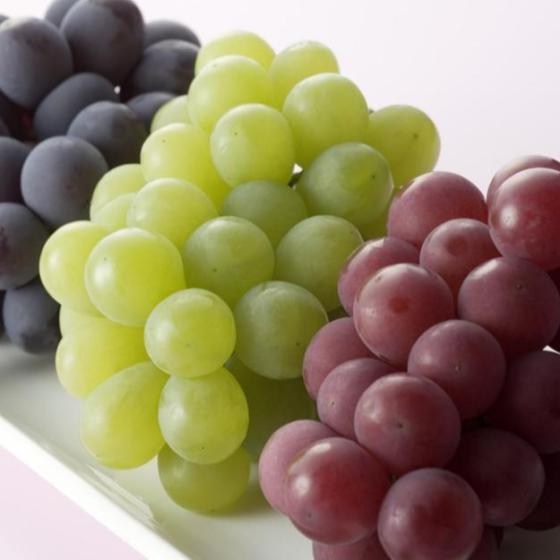
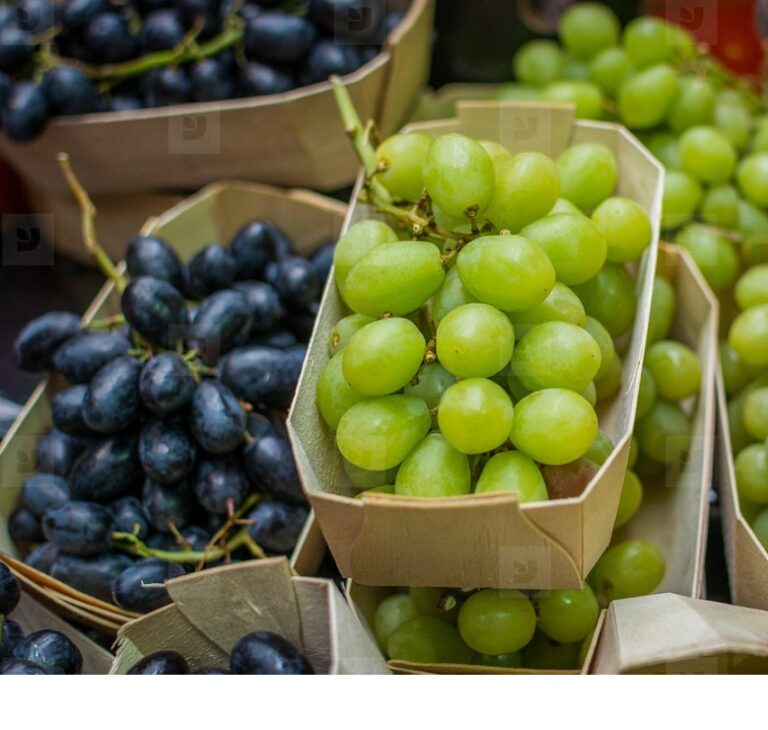
Grapes are small, round, or oval fruits that grow in clusters on vines. They are one of the most widely cultivated fruits globally, valued for their sweetness and versatility.- Appearance: Grapes come in various colors, including green, red, black, purple, and yellowish. They have smooth skin and are often covered in a natural white powder called bloom.
- Texture: Juicy with a crisp skin, grapes can be seedless (more common in fresh consumption) or have seeds.
2. Nutritional Benefits of Grapes
Grapes are not only delicious but also packed with nutrients:- Low in Calories: Approximately 70 calories per 100 grams, making them a healthy snack option.
- Rich in Vitamins: Good source of vitamin C, vitamin K, and several B vitamins.
- Antioxidants: High in antioxidants such as flavonoids and resveratrol, which may help protect against heart disease and other chronic conditions.
- Hydration: Composed of about 80% water, helping with hydration.
3. Culinary Uses of Grapes
Grapes are versatile and can be used in a variety of ways:- Fresh Consumption: Eaten raw as a healthy snack or added to fruit salads.
- Dried Grapes: Dried to make raisins, which are used in baking, salads, and trail mixes.
- Juice and Wine: Pressed to produce grape juice or fermented to make wine.
- Culinary Addition: Used in sauces, dressings, and desserts, or as garnishes for various dishes.
4. Varieties of Grapes
There are many varieties of grapes, each with unique flavors and uses, including:- Table Grapes: Varieties like Thompson Seedless (green), Red Globe (red), and Cotton Candy (sweet).
- Wine Grapes: Varieties like Cabernet Sauvignon (red), Chardonnay (white), and Merlot (red) are primarily used in winemaking.
- Raisin Grapes: Varieties like Sultana are specifically grown for drying into raisins.
5. Storage Tips
- Fresh Grapes: Store in the refrigerator in their original packaging or a breathable container. They can last up to a week when kept cold.
- Avoid Washing: Do not wash grapes until ready to eat, as excess moisture can promote mold growth.
- Freezing: Grapes can be frozen for longer storage. Wash, dry, and place them in a single layer on a baking sheet, then transfer to an airtight container once frozen.
Conclusion
Grapes are a nutritious, versatile fruit that can be enjoyed fresh, dried, or as part of various dishes and beverages. Their health benefits and delightful taste make them a popular choice for many. If you have further questions or need specific recipes or serving suggestions, feel free to ask!| Style | Fresh |
| Type | Grape |
| Variety | Seedless Grape |
| Color | White/Green |
| Cultivation Type | Common |
| Maturity | Full |
| Size (cm) | Large |
| Grade | Eu1 |
| Weight (kg) | 4.5 |
| Place of Origin | EU / Denmark |
| Brand Name | Various |
| Taste | Sweet |
| Minimum Order Quantity | 40ft Reefer Containers |
| Port | Copenhagen |
| Packaging Details | 4.5 kg per carton(180 cartons per pallet,3600 cartons per 40ft hc reefer container) |