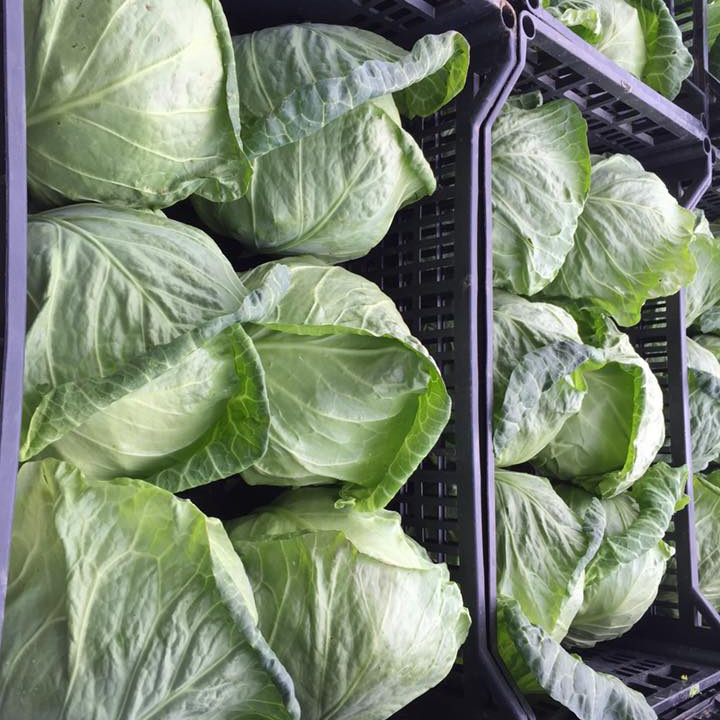

Description
Fresh Cabbage Overview
1. Description
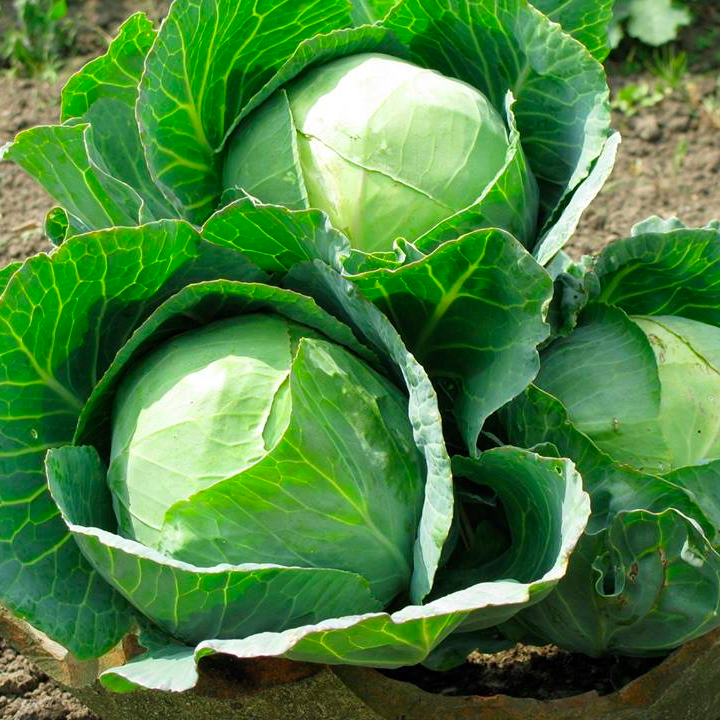
Fresh Cabbage (Brassica oleracea) is a leafy green, red, or white vegetable that is cultivated in many parts of the world. It's known for its dense, round shape and layered leaves.- Appearance: Cabbage heads are typically round with tightly packed leaves. The outer leaves can be smooth or crinkled.
- Flavor: The flavor is slightly peppery when raw and becomes milder and sweeter when cooked.
2. Nutritional Benefits of Fresh Cabbage
Fresh cabbage is not only low in calories but also rich in nutrients:- Low in Calories: Approximately 25 calories per 100 grams.
- High in Vitamins: Contains vitamin C, vitamin K, and several B vitamins, particularly folate.
- Dietary Fiber: A good source of dietary fiber, which aids digestion and promotes satiety.
- Antioxidants: Rich in antioxidants, which help reduce inflammation and oxidative stress.
3. Culinary Uses of Fresh Cabbage
Cabbage is a versatile vegetable that can be used in a variety of dishes:- Raw: Used in salads, coleslaw, and wraps for a crunchy texture.
- Cooked: Frequently steamed, boiled, sautéed, or stir-fried. It can also be added to soups and stews.
- Fermented: Commonly used in kimchi and sauerkraut, adding a probiotic benefit.
- Stuffed: Leaves are often used to wrap fillings in dishes like stuffed cabbage rolls.
4. Varieties of Fresh Cabbage
Several types of cabbage exist, each with unique characteristics:- Green Cabbage: The most common variety, characterized by tightly packed green leaves. Versatile for cooking and salads.
- Red Cabbage: Similar in texture to green cabbage but with a darker color and slightly peppery flavor, often used for color in salads.
- Savoy Cabbage: Has crinkled, tender leaves and a milder flavor, making it suitable for fresh applications and cooking.
- Napa Cabbage: Also known as Chinese cabbage, has a long, oblong shape with pale green leaves and a sweeter taste, commonly used in Asian cuisine.
5. Storage Tips for Fresh Cabbage
- Cool Temperature: Store fresh cabbage in the refrigerator, where it can last for about one to two weeks.
- Keep Whole: It’s best to keep cabbage whole until ready to use, as cutting exposes more surface area and can lead to quicker spoilage.
- Moisture Control: Wrap cabbage loosely in plastic or place it in a perforated bag to maintain moisture without trapping excess water, which can cause decay.
Conclusion
Fresh cabbage is a nutritious and versatile vegetable that can be enjoyed in various culinary applications, from fresh salads to hearty cooked dishes. Its health benefits and adaptability make it a staple in many cuisines. If you have further questions or need specific recipes or serving suggestions, feel free to ask!| Feature | Natural Bright color |
| Exporting Standard And Quality | 1)Washed and polished |
| 2)intact firm, Green color and good uniformity | |
| 3)No black part or rotten part | |
| Supplying Period | All the whole year |
| Sizes | 1-3 pieces/kg |
| Packing | Inner packing: PE preservative bags Outer packing: standard carton |
| Net = 15 Kg / Gross = 16 kg | |
| Or according to custom’s requirements | |
| Shipping | 20 pallet per container 1 x 40 RF 2,000 carton = 25 MT 100 carton/pallet |
| If No pallets the container takes 16-22 MT | |
| Storage temperature |
2- 5°c |