
Description
Long Grain Rice
Overview: Long Grain Rice Long grain rice is a type of rice known for its elongated grains and fluffy texture when cooked. It is a staple food in many cultures and is prized for its versatility in various culinary applications.Key Characteristics: Long Grain Rice
1. Grain Length and Shape
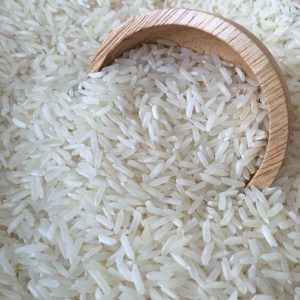
- Length: Typically measures at least four times its width, making it distinctly longer than medium or short grain varieties.
- Appearance: Long, slender grains that remain separate and less sticky when cooked.
2. Types of Long Grain Rice
- White Long Grain Rice: Commonly polished, removing the bran and germ, resulting in a smooth, white appearance.
- Brown Long Grain Rice: Whole grain version that includes the bran layer, offering a nuttier flavor and more fiber.
- Basmati Rice: A long grain variety known for its fragrant aroma, primarily grown in India and Pakistan.
- Jasmine Rice: A long grain variety from Thailand, known for its floral scent and slightly sticky texture when cooked.
Culinary Uses
- Cooking Methods:
- Boiling and Steaming: Common methods for preparing long grain rice, ensuring the grains cook evenly and remain fluffy.
- Pilaf and Fried Rice: Ideal for dishes where distinct grains are desired, such as pilafs, fried rice, and salads.
- Versatility:
- Used as a side dish or base in various cuisines, from Asian stir-fries to Mediterranean dishes.
- Adapts well to different flavors, making it perfect for pairing with meats, vegetables, and sauces.
Nutritional Profile
- Calories: Approximately 130 calories per cooked cup.
- Carbohydrates: High in carbohydrates, providing a good source of energy.
- Fiber: Brown long grain rice has higher fiber content compared to white varieties, promoting digestive health.
- Vitamins & Minerals: Contains small amounts of B vitamins and minerals such as magnesium and phosphorus.
Storage and Handling
- Storage Conditions: Should be kept in a cool, dry place in airtight containers to maintain freshness and prevent pests.
- Shelf Life: Uncooked long grain rice can last for several years if stored properly, while cooked rice should be refrigerated and consumed within a few days.
Environmental Considerations
- Water Usage: Rice cultivation can be water-intensive, leading to considerations regarding sustainable practices and water resource management.
- Sustainable Practices: Incorporating methods like crop rotation and reduced water irrigation can minimize environmental impact.
Conclusion
Long grain rice is a versatile and widely consumed staple food known for its light, fluffy texture and adaptability in various dishes. Whether enjoyed plain or as part of a more complex meal, it offers nutritional benefits and culinary flexibility, making it a favorite choice around the globe. Understanding its characteristics and uses can enhance both cooking and dining experiences.| Specification | long grain white rice 5% |
| Broken (% max) | 5.0% |
| Moisture (% max) | 15% |
| Foreign matter (% max) | 0.1% |
| Chalky kernel (% max) | 3.0% |
| Damaged kernel (% max) | 0.5% |
| Red & red streak kernel(% max) | 0.5% |
| Yellow kernel (% max) | 0.5% |
| Paddy grains/kg max | 3 grains |
| Average length of grain(mm) |
6.8 |


Reviews
There are no reviews yet.