Refined Corn Oil
Overview: Refined Corn Oil
Refined corn oil is a versatile vegetable oil extracted from the kernels of corn (Zea mays). It is widely used in cooking, food production, and industrial applications due to its mild flavor, high smoke point, and nutritional benefits.
Specifications: Refined Corn Oil
1. Chemical Composition
- Fatty Acid Profile:
- Polyunsaturated Fatty Acids: Approximately 58% (mainly linoleic acid).
- Monounsaturated Fatty Acids: Around 24% (primarily oleic acid).
- Saturated Fatty Acids: Typically about 13% (including palmitic and stearic acids).
- Free Fatty Acidity: Typically less than 0.1% for refined oils.
2. Production Process
- Oil Extraction:
- Corn oil is typically extracted using solvent extraction methods, such as hexane, after mechanical pressing or through other methods.
- Refining Process:
- Degumming: Removal of phospholipids and impurities through water or acid treatment.
- Neutralization: Free fatty acids are neutralized using an alkali, usually sodium hydroxide.
- Bleaching: Impurities and color pigments are removed using bleaching earth or activated carbon.
- Deodorization: Uses steam distillation to remove unwanted odors and flavors, resulting in a neutral taste.
3. Physical Characteristics
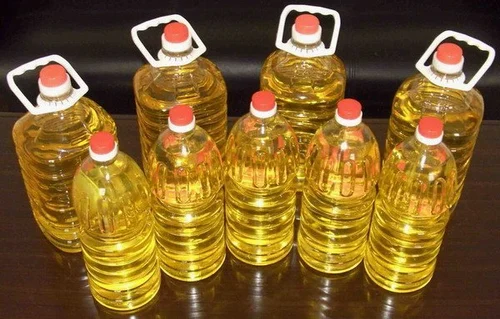
- Color: Light yellow to pale golden, depending on the refining process.
- Flavor: Mild and neutral, making it suitable for various cooking applications.
- Smoke Point: Approximately 232°C (450°F), making it ideal for frying and sautéing.
Culinary Uses
- Cooking and Frying: Ideal for frying, grilling, and roasting due to its high smoke point and stability.
- Baking: Commonly used in baking recipes, providing moisture without altering flavors significantly.
- Salad Dressings and Sauces: Often utilized in salad dressings, marinades, and sauces for its neutral flavor.
Nutritional Profile: Refined Corn Oil
- Source of Healthy Fats: Contains a good balance of polyunsaturated and monounsaturated fats, which can support heart health.
- Vitamin E: Rich in vitamin E, a natural antioxidant that helps combat oxidative stress in the body.
Environmental Considerations: Refined Corn Oil
- Sourcing: The impact of corn production varies based on agricultural practices, with considerations for sustainability and non-GMO practices.
- Biodiversity Concerns: Large-scale corn farming can lead to environmental issues like habitat loss and pesticide use; consumers may opt for organic or sustainably sourced corn oil.
Conclusion
Refined corn oil is a widely used cooking oil that offers versatility, nutritional benefits, and a neutral flavor profile. Its high smoke point makes it suitable for various cooking methods, while its refined nature ensures stability and shelf-life. When selecting corn oil, consider sourcing practices to ensure environmentally responsible options.


Reviews
There are no reviews yet.