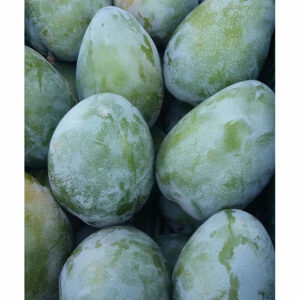
Pomegranate Fruit Overview
1. Description
The
Pomegranate Fruit (
Punica granatum) is a fruit-bearing shrub native to the Mediterranean region and parts of Asia. It is known for its unique appearance and rich flavor.
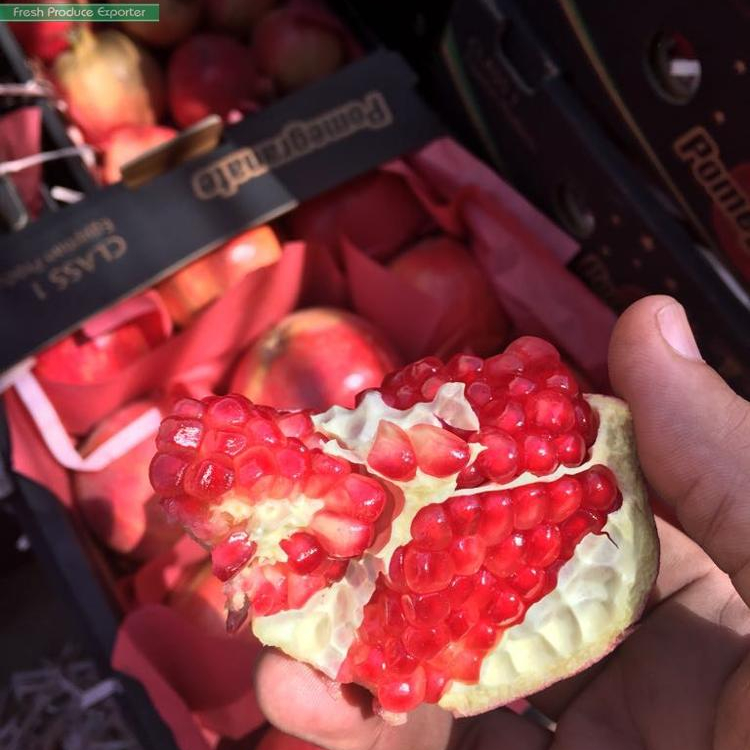
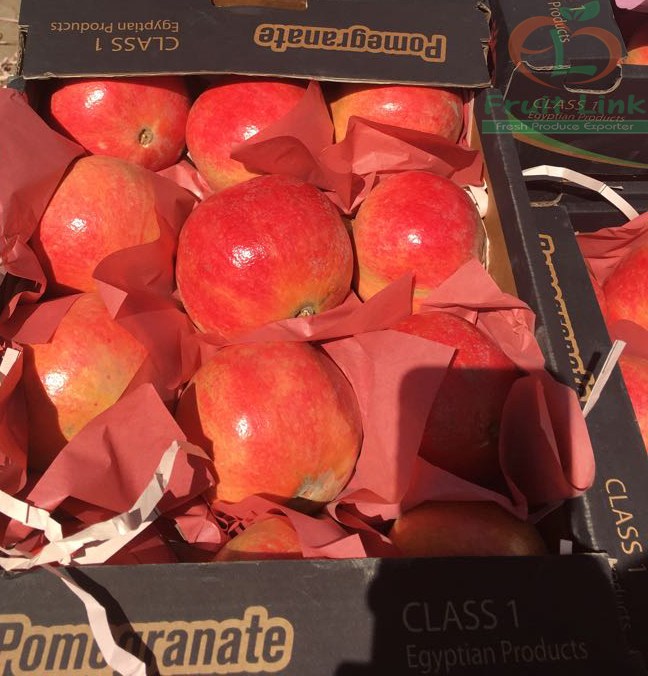
- Appearance: The fruit is round, typically about the size of an apple, with a thick, leathery skin that can be red, pink, or yellowish-green. Inside, it contains hundreds of seed-filled arils, which are the edible part of the fruit.
- Flavor: The taste of pomegranate is sweet and tangy, characterized by a juicy texture.
Pomegranates are highly nutritious and offer numerous health benefits:
- Rich in Antioxidants: Packed with antioxidants, particularly punicalagins and anthocyanins, which help combat oxidative stress.
- High in Vitamins: Excellent source of vitamin C, vitamin K, and some B vitamins.
- Dietary Fiber: Contains dietary fiber that aids digestion and promotes gut health.
- Anti-Inflammatory Properties: May reduce inflammation and lower the risk of chronic diseases.
- Heart Health: Can help lower blood pressure and cholesterol levels, promoting cardiovascular health.
3. Culinary Uses of Pomegranate Fruit
- Fresh Consumption: Eaten fresh by breaking open the fruit and extracting the arils.
- Juices: The juice is popular for its refreshing taste and health benefits. Pomegranate juice can be consumed on its own or mixed in smoothies.
- Culinary Ingredient: Used in salads, desserts, sauces, and marinades. The arils add a burst of flavor and color to dishes.
- Cultural Dishes: Common in Middle Eastern and Mediterranean cuisines, often used in dishes like tabbouleh or as a garnish in pilafs.
4. Storage of Pomegranate Fruit
- Fresh Pomegranates: Store at room temperature for a short time; for longer storage, keep them in the refrigerator, where they can last for several weeks.
- Juice and Arils: If juiced or if the arils are removed, store in an airtight container in the refrigerator for up to 5 days. The juice can also be frozen for longer storage.
5. Selecting Pomegranates
When choosing pomegranates:
- Choose Heaviness: Look for fruits that feel heavy for their size, indicating a high juice content.
- Check Skin Quality: Opt for fruits with shiny, intact skin without blemishes or soft spots.
- Color Uniformity: While color can vary, seek consistent, vibrant color across the whole fruit.
Conclusion
Pomegranates are not only delicious but also a powerhouse of nutrition, making them a valuable addition to a healthy diet. Their versatility in culinary uses and impressive health benefits further enhance their appeal. If you have any questions about recipes or specific uses for pomegranates, feel free to ask!
| Product name |
Fresh Pomegranate |
| Place of origin |
Egypt |
| Weight |
400 gram +/- 50 gram |
| Size |
300/350/400/450/500 grams |
| Cultivation type |
Organic |
| Quantity |
10,000 metric ton per season |
| Minimum order quantity |
One container 40feet 20ton |
| Shipping |
Container 40feet load 20-21 metric ton |
| EST lead time |
Changeable regarding customer port |
| Shipping port |
Alexandria, Damietta and por said port |
| Packing |
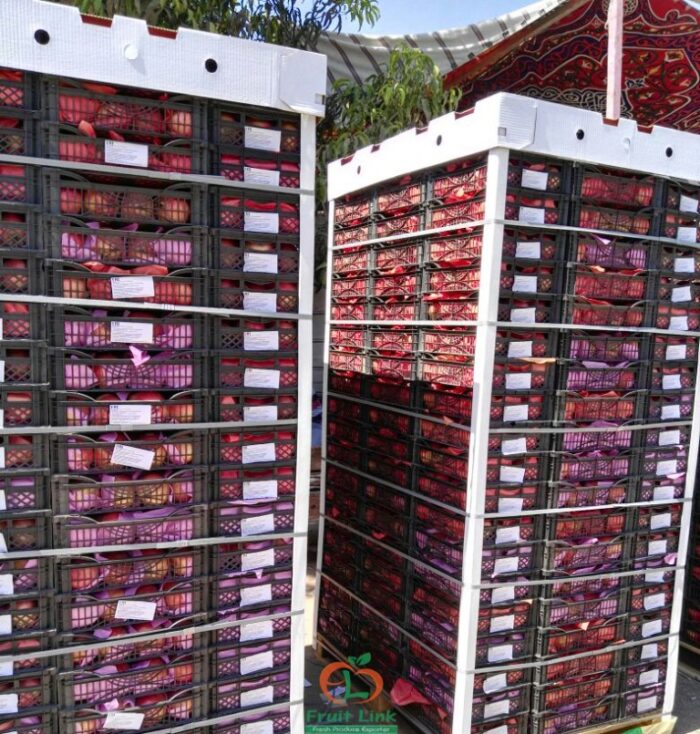
Plastic box 5kg & carton box 5kg |