
Description
FROZEN CHICKEN PARTS
Frozen Chicken Parts
Overview: Frozen chicken parts refer to various segments of chicken that have been processed, frozen, and packaged for retail and commercial use. This form of poultry offers convenience and versatility for consumers and chefs alike, allowing for easy storage and preparation.Key Characteristics
- Preservation: Freezing retains the freshness, flavor, and nutritional value of chicken, making it a popular choice for both home cooks and food service establishments.
- Variety of Cuts: Available in various cuts, including thighs, drumsticks, wings, breasts, and whole chickens, providing options for different culinary needs.
- Convenient Packaging: Typically sold in vacuum-sealed bags or airtight containers to prevent freezer burn and maintain quality.
Popular Cuts of Frozen Chicken Parts
- Chicken Breasts:
- Usage: Ideal for grilling, baking, and sautéing; known for their lean meat and versatility in recipes.
- Chicken Thighs:
- Usage: Richer in flavor and moistness, often used in stews, curries, and roasted dishes.
- Drumsticks:
- Usage: Popular for frying, barbecuing, or baking; they are flavorful and cost-effective.
- Chicken Wings:
- Usage: Commonly served as appetizers or snacks; used in various dishes, especially in barbecues and parties.
- Whole Chickens:
- Usage: Ideal for roasting or slow cooking; offers more meat and is often more economical.
Applications
- Home Cooking: Frozen chicken parts are a staple in households, providing an easy, protein-rich ingredient for meals.
- Food Service: Widely used in restaurants, catering, and food trucks due to their convenience and stock availability.
- Meal Prep: Perfect for meal planning, allowing for portion control, quick thawing, and ease of cooking.
Nutritional Benefits
- High Protein Content: Chicken is an excellent source of protein, essential for muscle building and overall health.
- Low in Fat: Certain cuts, like breast meat, are lower in fat, making them a healthy choice for many diets.
- Rich in Nutrients: Provides essential vitamins and minerals, including B vitamins, phosphorus, and selenium.
Storage and Handling
- Proper Freezing: To maintain quality, chicken parts should be frozen promptly after processing and stored at 0°F (-18°C) or lower.
- Thawing: Safe thawing methods include refrigerator thawing, cold water thawing, or microwave thawing, with cooking immediately after thawing recommended for food safety.
Conclusion
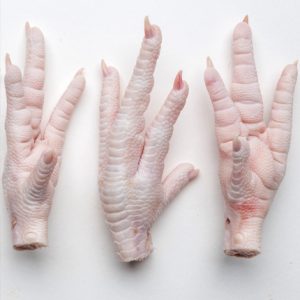
Frozen chicken parts are a versatile and convenient food source, suitable for a wide range of culinary applications. Their extended shelf life, coupled with their nutritional benefits, makes them a popular choice for both home cooks and professionals in the food service industry. Proper handling and storage are essential to ensure quality and safety, allowing for delicious meals to be prepared with ease. Chicken Feet – washed and clean. – without yellow skin. – no feathers. – no bad smell. – no blood. – no bruises. – no black pads. – no traces of carved deep wounds. – no ammonia burns. – broken bones: under 3%. – moisture content: less than 5%. – weight per piece is 45-55g – length per piece 13-15cm Chicken Paws – white skin – no broken bones 0% – outer yellow skin off – well cleaned and fresh – no bruises – no black pads or ammonia burns – no bad smells – no excessive blood or blood stains – moisture content is less than 3% – weight per piece is 35-45g – length per piece 10-12cm – drainage: 0 to -5°c for 8 hours. – blasted at: -40°c. – storage at: -18°c Frozen Requirements : – Blasted at: minus 40 degrees Celsius – Storage at: minus 20 degrees Celsius. – Temperature during Transportation: minus 18 degrees CelsiusWe package in 20kg carton boxes, each box contains 5kg polybags x 4. Customized packaging of all other sizes are offered, and we also provide labels for buyers. We load 27MT per container 40FT.


Reviews
There are no reviews yet.