
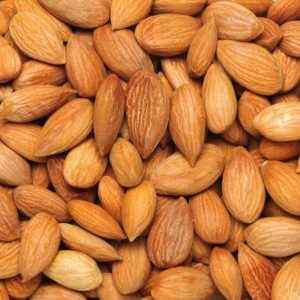
Description
Almond Nuts
Overview: Almond Nuts Almond nuts are the edible seeds of the almond tree (Prunus dulcis), valued for their rich flavor, nutritional profile, and versatility in cooking and baking. They are available in various forms, including raw, roasted, and sliced, and are a popular snack and ingredient worldwide.Key Characteristics: Almond Nuts
1. Nutritional Profile
- High in Healthy Fats: Almonds are rich in monounsaturated fats, which are beneficial for heart health.
- Protein-Rich: Approximately 21% protein content, making them a great source of plant-based protein.
- Vitamins and Minerals:
- Vitamin E: A potent antioxidant that helps protect cells from oxidative damage.
- Magnesium: Supports muscle and nerve function, and helps regulate blood pressure.
- Calcium and Iron: Contribute to bone health and overall well-being.
2. Forms and Varieties
- Raw Almonds: Unroasted and unprocessed, retaining all nutrients.
- Roasted Almonds: Cooked at high temperatures to enhance flavor; may be salted or flavored.
- Sliced Almonds: Thinly sliced, often used as a topping or garnish.
- Almond Flour/Meal: Ground almonds used for baking or as a gluten-free alternative.
Culinary Uses of Almond Nuts
- Snacking:
- Popular as a healthy snack, either raw or roasted, often enjoyed on their own or mixed with other nuts and dried fruits.
- Baking:
- Used in cookies, cakes, and pastries for added flavor and texture. Almond flour is common in gluten-free recipes.
- Cooking:
- Added to stir-fries, salads, and grain dishes for crunch and flavor.
- Milk and Butter:
- Processed to make almond milk, a popular dairy alternative, and almond butter, a nutty spread.
- Toppings and Garnishes:
- Used as a topping for yogurt, oatmeal, and desserts, as well as in savory dishes for added texture.
Health Benefits of Almond Nuts
- Heart Health: Regular consumption of almonds may lower cholesterol levels and improve heart health.
- Weight Management: High in fiber and protein, they can promote satiety and help in weight control.
- Blood Sugar Control: May help stabilize blood sugar levels, beneficial for those with diabetes.
Storage and Handling
- Storage: Should be stored in a cool, dry place, preferably in airtight containers to prevent rancidity. Refrigeration can prolong shelf life.
- Shelf Life: Typically lasts several months when stored properly, but may have a shorter shelf life if roasted or salted.
Environmental Considerations
- Water Usage: Almond farming can be resource-intensive in terms of water usage, raising sustainability concerns in drought-prone regions.
- Farm Practices: Sustainable farming practices are essential to minimize environmental impact, and organic options are available for consumers.
Conclusion
Almond nuts are a nutritious and versatile food source, enjoyed for their flavor and health benefits. Whether as a snack, ingredient in recipes, or as an alternative to dairy, almonds provide a wealth of nutritional advantages and culinary possibilities. Their consumption promotes heart health and may support overall well-being, making them a popular choice for health-conscious individuals.|
Shelf life |
18 months |
|
Origin |
/ |
|
Grade |
AAA |
|
Packing |
10 kg / carton |
|
Processing type |
Raw |
|
Type |
Dried |
|
Dry process |
AD |
|
Color |
Brown |
|
Available time |
All the year |


Reviews
There are no reviews yet.