Description
1. Description
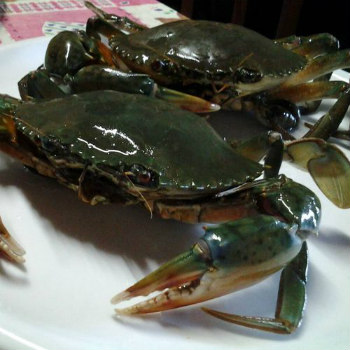
Live crabs are fresh, active crabs sold for immediate cooking or direct consumption. They are a popular choice in seafood markets and restaurants for their vibrant flavor and texture.
- Whole Frozen Crabs: Entire crabs that have been cooked and frozen.
- Crab Clusters: Specific sections of crabs, often focusing on leg and claw meat.
- Crab Meat: Picked crab meat, available in various preparations (e.g., lump or claw meat).
3. Uses of Live Crabs
- Versatile Cooking: Can be used in recipes like crab soups, salads, or as toppings for pizzas.
- Convenience: Easily stored and prepared, making them ideal for home cooks and busy schedules.
4. Handling and Storage
- Storage: Keep frozen crabs in the freezer at a consistent temperature of 0°F (-18°C) or lower.
- Thawing: Best thawed in the refrigerator overnight or under cold running water for a quicker option. Avoid using a microwave for thawing.
Nutritional Benefits
- High in Protein: Crabs are an excellent source of high-quality protein essential for muscle growth and repair.
- Rich in Vitamins and Minerals: They contain vitamins B12 and A, as well as minerals like zinc, selenium, and copper.
- Low in Fat: Crabs have a low fat content, making them a healthy seafood choice.
Conclusion
Both live and frozen crabs offer unique benefits, whether you prefer the freshness and flavor of live crabs or the convenience of frozen options. Understanding the different types, uses, handling tips, and nutritional benefits will help enhance your culinary experience with this delicious seafood. If you have specific questions or need recipes, feel free to ask!
Product Name: Mud Crabs
Scientific name: Scylla serrata
Processing net weight: 70% – 100% N.W
Glazing: 30%
Fat content: 15% up
Style: Alive
Size: 250 – 300g up
30% female and 70% male for every shipment
A. 90% N.W. with 10% glazing.
B. 80% N.W. 20% Glazing
C. 70% N.W. 30% Glazing