

Description
Coriander Overview
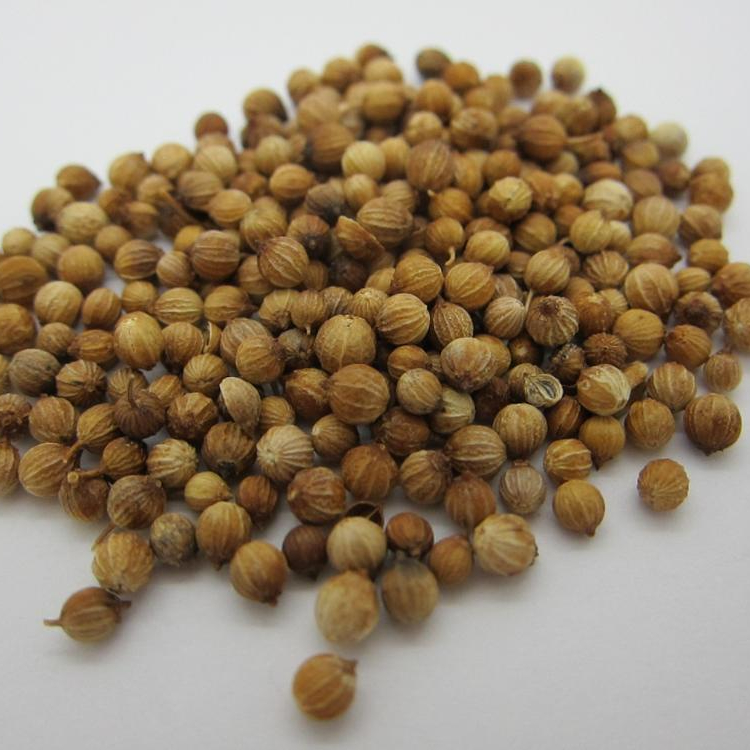
Coriander (Coriandrum sativum), also known as cilantro (especially in the leaf form) or Chinese parsley, is a herb native to regions spanning Europe, North Africa, and Asia. The plant produces both leaves and seeds, each with distinct flavors and culinary applications. The fresh leaves have a bright, citrus-like flavor, while the seeds are warm, nutty, and slightly spicy.Uses of Coriander
- Culinary: Widely used in various cuisines, including Indian, Middle Eastern, and Latin American dishes. The leaves are often added to salads, salsas, and curries, while the seeds are used in spice blends, marinades, and baking.
- Garnish: Fresh coriander leaves are commonly used as a colorful garnish to enhance the presentation of dishes.
- Pickling: The seeds can be used in pickling spices to add flavor to preserved vegetables.
- Medicinal: Traditionally used in herbal medicine for various ailments, including digestive issues and inflammation.
Effects of Coriander
- Digestive Aid: Coriander has carminative properties that can help alleviate bloating and digestive discomfort.
- Antioxidant Properties: Rich in antioxidants, it helps combat oxidative stress in the body.
- Anti-inflammatory: Contains compounds that may reduce inflammation and provide relief from inflammatory conditions.
- Blood Sugar Regulation: Some studies suggest that coriander may help lower blood sugar levels and improve insulin sensitivity.
Advantages of Coriander
- Nutritional Value: Coriander is low in calories and rich in vitamins and minerals, including vitamins A, C, and K, as well as iron and magnesium.
- Versatility: Can be used in various forms—fresh leaves, dried seeds, or ground powder—making it adaptable in many recipes.
- Flavor Enhancement: Adds a unique flavor to dishes, enhancing the overall taste profile without the need for excessive salt or fat.
- Cultural Importance: Holds significance in many culinary traditions and is celebrated for its unique taste and aroma.
Conclusion
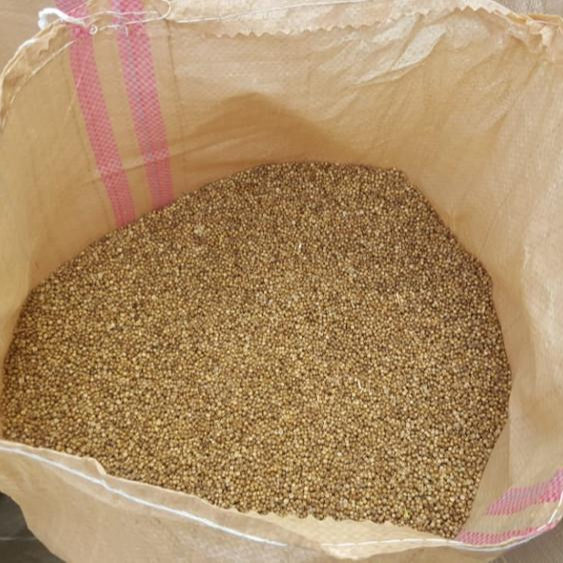
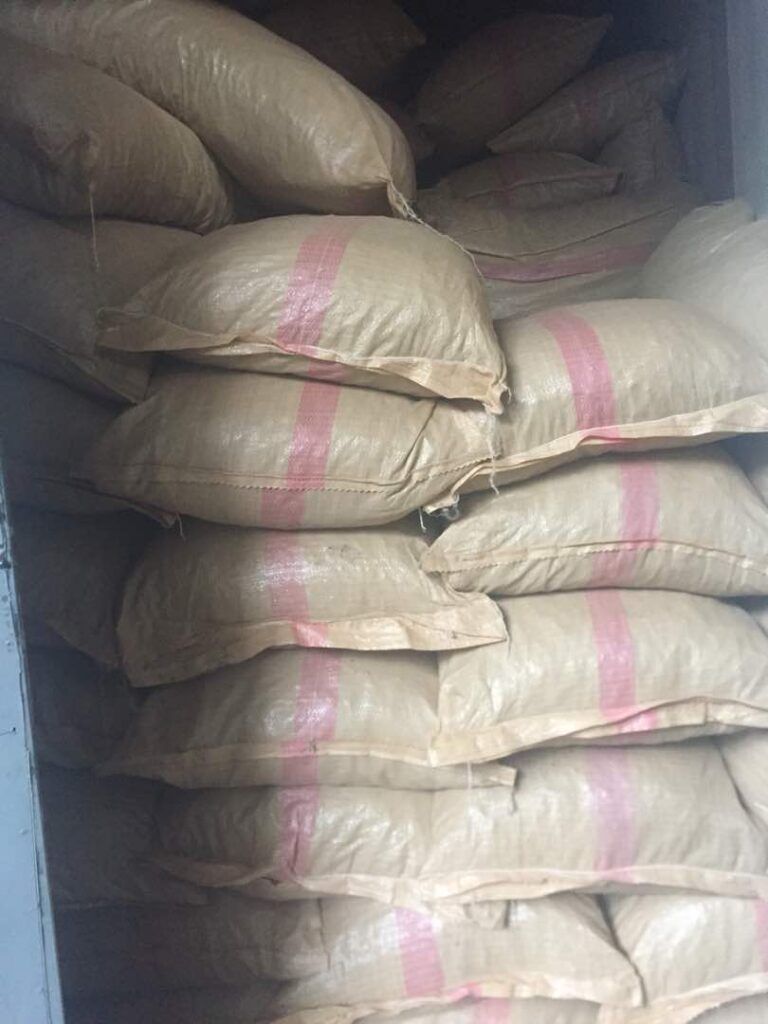
Coriander is a versatile herb that serves as both a culinary delight and a source of numerous health benefits. With its distinct flavor and adaptability in various dishes, it enriches cuisines around the world. Beyond its culinary uses, coriander also offers important nutritional advantages and has been used traditionally for its medicinal properties. Whether enjoyed fresh, dried, or ground, coriander is a valuable addition to both everyday cooking and health-conscious diets. Specification of Dry Coriander Seeds • Foreign Matter – Basis 1% and acceptable upto 2% • Damaged, Discolored & Shriveled seeds – Basis 2% and acceptable upto 5% • Weevil seeds – Max 0.5% • Coriander splits (Dal) – Basis 5% and acceptable upto 10% • Live infestation – Not allowed Color : BrownProcessing type: Raw Dry