Description
Fresh & Frozen Shrimp
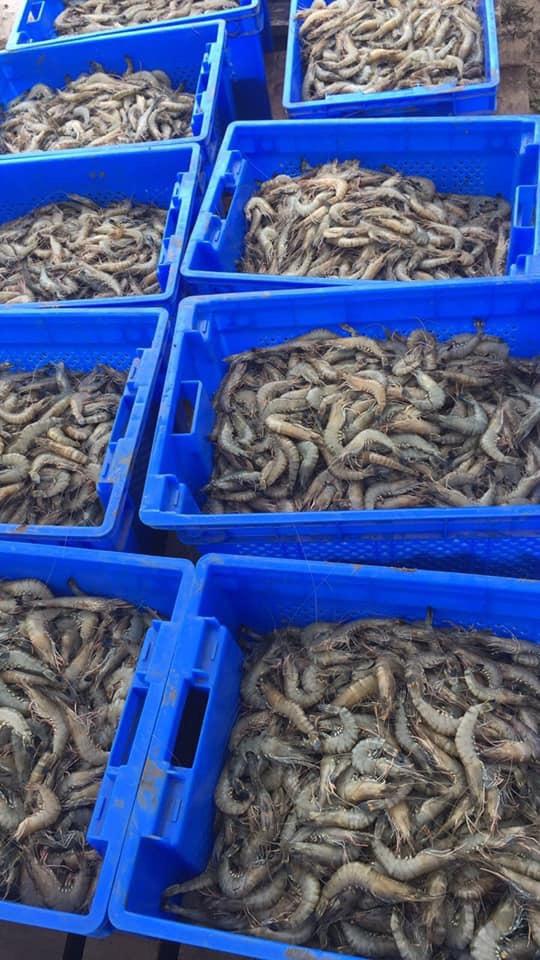
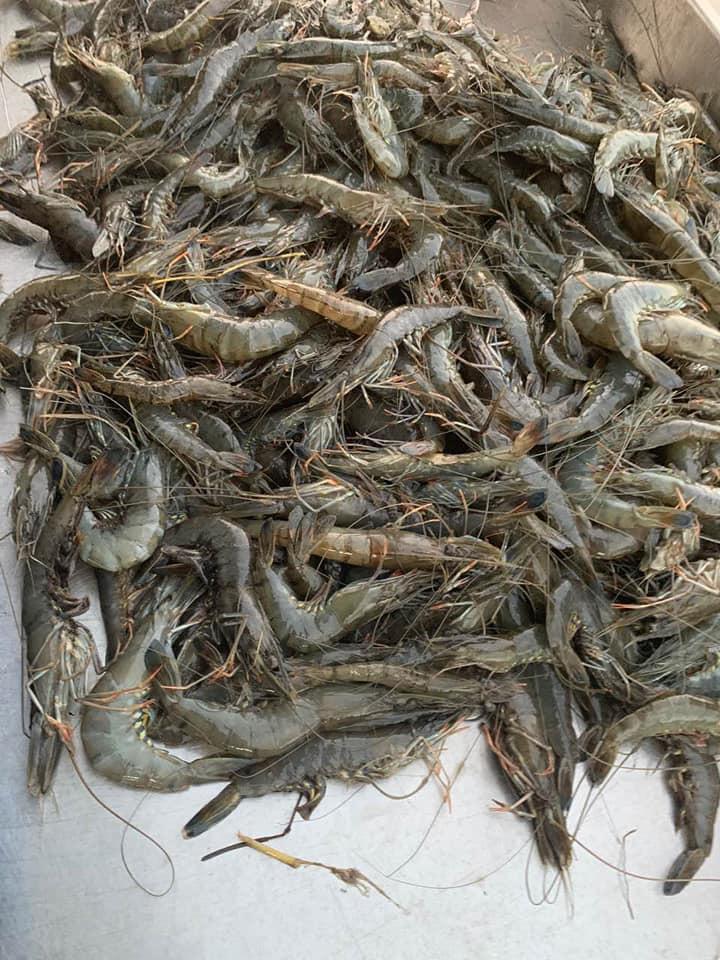
Shrimp is one of the most popular seafood products worldwide, valued for its flavor, versatility, and nutritional benefits. Available in both fresh and frozen forms, shrimp can be found in a variety of cuisines and prepared in numerous ways.
Key Characteristics of Fresh & Frozen Shrimp
1. Types of Shrimp
- Fresh Shrimp:
- Typically caught from the sea and sold unprocessed, often distinguished by their vibrant color and firm texture.
- Common varieties include Gulf shrimp, white shrimp, and pink shrimp.
- Frozen Shrimp:
- Often immediately frozen after being caught to preserve freshness. Available in various sizes and can include shell-on or peeled options.
- Can be found in cooked or raw forms, with popular varieties like tiger shrimp, rock shrimp, and cold-water shrimp.
2. Nutritional Profile
- High in Protein: Shrimp is a rich source of high-quality protein, making it a healthy option for a balanced diet.
- Low in Calories: Provides a low-calorie option for those looking to manage their weight.
- Rich in Nutrients: Contains essential vitamins and minerals, including selenium, vitamin B12, iodine, and omega-3 fatty acids.
Culinary Uses of Fresh & Frozen Shrimp
- Versatile Ingredient:
- Used in various dishes, from appetizers and soups to main courses and salads.
- Popular in cuisines such as Asian, Mediterranean, and American.
- Cooking Methods:
- Can be grilled, sautéed, boiled, fried, or added to stir-fries and pasta dishes.
Safety and Handling of Fresh & Frozen Shrimp
- Storage:
- Fresh shrimp should be kept on ice and consumed within a few days to maintain the best quality.
- Frozen shrimp should be stored at or below -18°C (0°F) to prevent freezer burn and maintain freshness.
- Thawing:
- Thaw frozen shrimp in the refrigerator overnight, or for quicker results, place them in a sealed bag and submerge in cold water.
- Health Considerations:
- Ensure shrimp is sourced from reputable suppliers to avoid concerns regarding sustainability and contaminants such as heavy metals.
- Monitor for allergies, as shellfish allergies are common.
- Sustainability:
- Select shrimp sourced from sustainable fisheries or certified farms to reduce environmental impact.
- Awareness of overfishing and habitat destruction associated with certain shrimp farming practices is crucial for consumers.
Conclusion
Fresh and frozen shrimp is a highly versatile seafood choice that is not only delicious but also packed with nutrients. Whether enjoyed in a complex dish or simply grilled with minimal seasoning, shrimp offers endless culinary possibilities. By selecting responsibly sourced shrimp and handling it properly, consumers can enjoy this seafood delicacy while supporting sustainable practices
Product Name: Frozen Red shrimp PUD
Frozen Vannamei White Shrimp
Frozen Vannamei shrimp
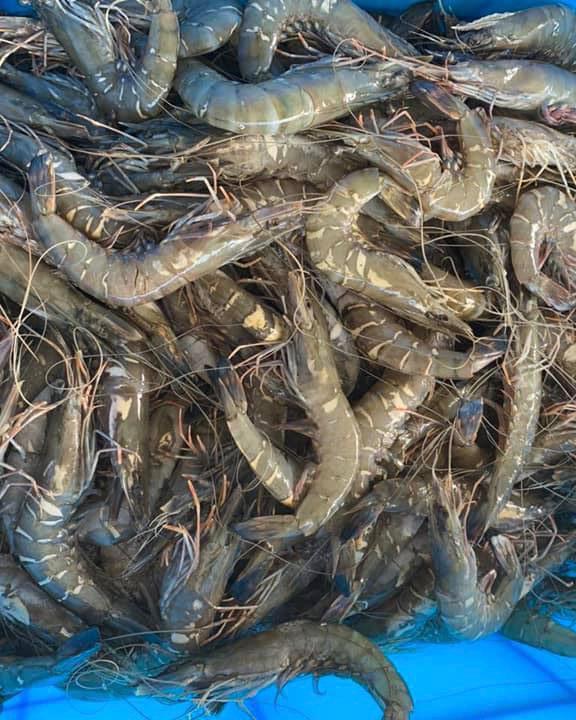
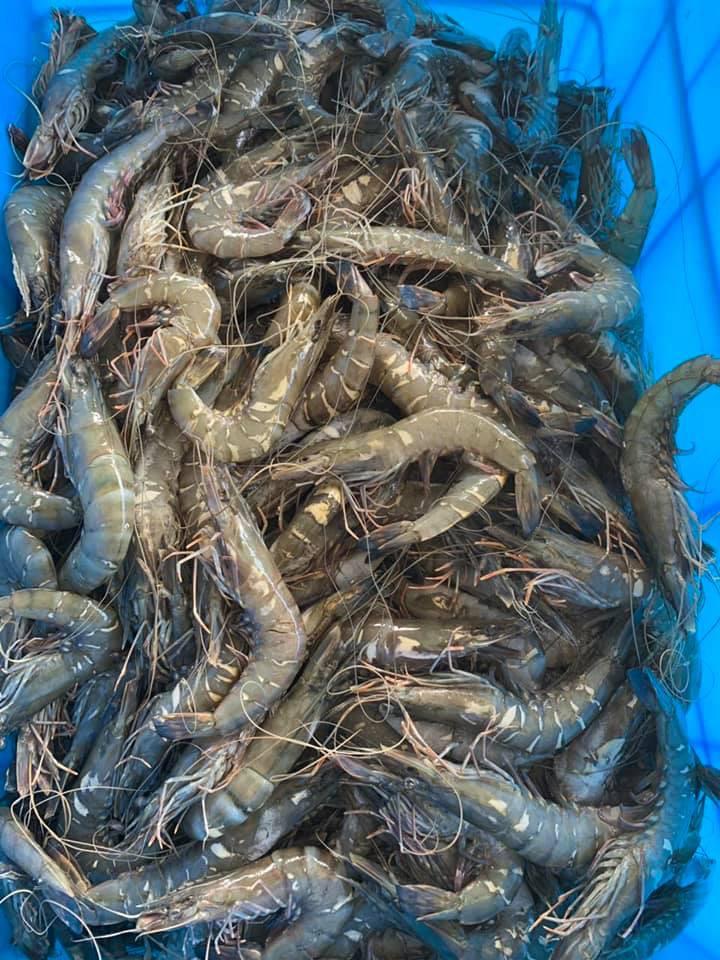
Frozen Black Tiger Shrimps
FORM: HOSO, HLSO, PUD, P&D.
PROCESS: HLSO, IQF, BLOCK.
STYLE: Fresh, Frozen, Peeled.
PROCESSING TYPE: Baked, Headless, Skinless.
SHELF LIFE: 18 months.
1) Black Tiger Head-on Frozen Shrimp / Prawn :
Count / Size : 13 / 15, 16 / 20, 21 / 25, 26/ 30, 31/40, 41/60 per Kg.
2) Black Tiger Headless Frozen Shrimp / Prawn :
Count / Size : 13 / 15, 16 / 20, 21 / 25, 26 / 30, 31 / 40, 41 / 50, 51 / 60, 61 / 70 per LB.
Shelf Life: 24 month under 18 degrees below zero
Packing : Semi Block 1 kg/box x 10 box/carton.
Note : As per your will & wish we are able to pack the Prawn / Shrimp. Please don’t be hesitate to ask about our Products, its’ Quality & Packing.